Time, Decay, and the Living Building
How Damp, Material Breathability, and Slow Degradation Shape the Lives of Pre-1919 Architecture
Link to my Substack essay here
The pre-1919 building stock of the United Kingdom remains one of its most significant cultural assets, and still one of the most misunderstood. Their construction methods, material ecologies, and environmental performance differ fundamentally from modern buildings. Nowhere is this difference more visible than in the dynamics of moisture. Damp accounts for an estimated 75% of building defects in older properties (Kent, 2023), yet misdiagnosis remains rife. A Which? consumer survey cited by the SPAB revealed that in nearly two-thirds of professional inspections, the cause of damp was either incorrectly identified or followed by inappropriate, damaging remediation (Which?, 2017). Damp is not a defect, but is an index of how traditional buildings live and age.
This essay is examining how damp is a central agent in the lifecycle of historic buildings. Through the lens of time, decay, and material breathability, arguing that the way we diagnose and treat moisture reveals wider assumptions about ageing fabric, “defect culture,” and the ethics of repair. Drawing from SPAB principles, building pathology research, and conservation theory, it demonstrates how damp, timber decay, roofing failures, and structural movement must be understood more expansively from isolated problems to interconnected phenomena within a living building system. Ultimately, it arguing that the goal of conservation is not to halt decay, but to mediate it appropriately, while recognising deterioration as both inevitable and meaningful.
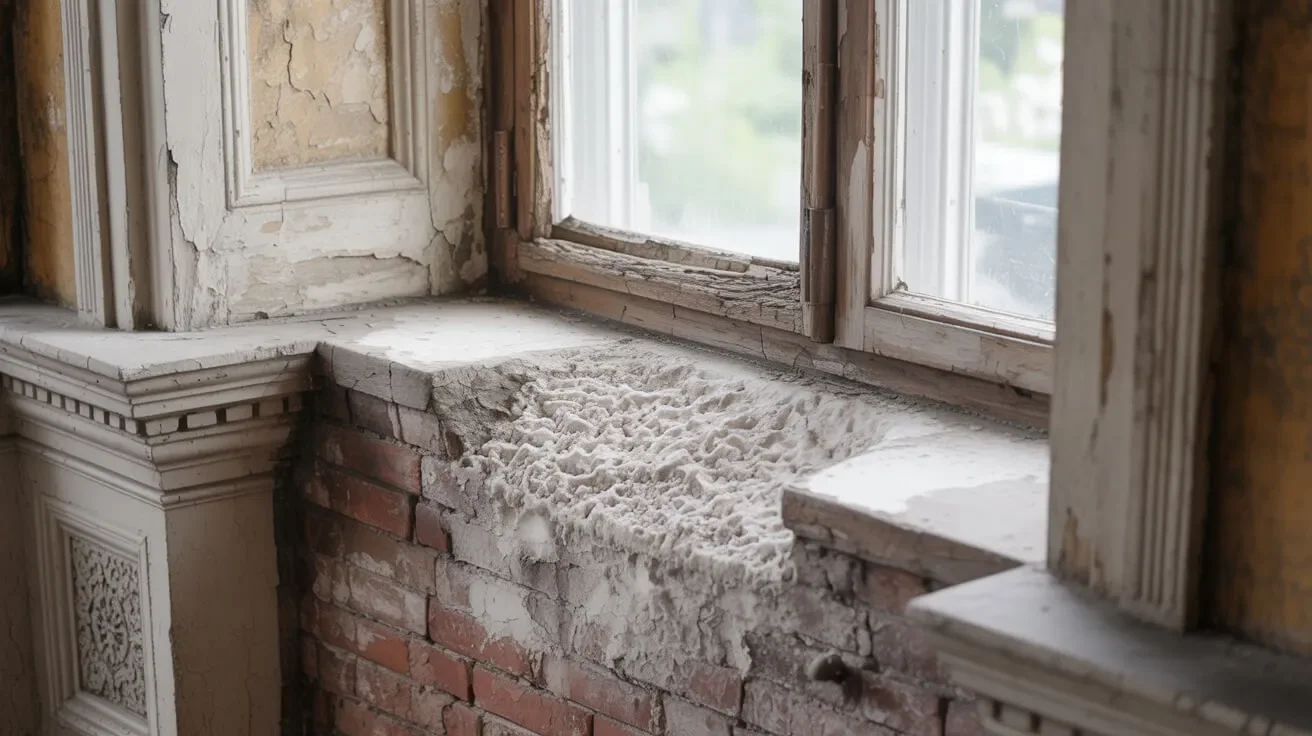
(Salt Efflorescence, Historic England)
Understanding Breathability and the Material Ecology of Pre-1919 Construction
Traditional buildings behave as permeable, moisture-responsive systems, and damp problems arise primarily when modern impermeable materials disrupt this ecology.
Pre-1919 buildings relyed on lime-based mortars, porous masonry, permeable plasters, and timber, all materials with high capillarity and vapour permeability (Ashurst & Ashurst, 1988). These materials manage moisture through a process of absorption, diffusion, and evaporation, preventing the accumulation of water that leads to decay. This is what SPAB terms “breathability”, as a combination of permeability, capillarity, and hygroscopic behaviour (SPAB, 2017). Contemporary interventions, though, often impose impermeable barriers (cement renders, plastic paints, injected damp-proof courses) which trap moisture rather than expelling it. Studies by English Heritage demonstrated that cement-based pointing increases rainwater penetration in historic brickwork by preventing evaporation and forcing moisture sideways into interior surfaces (English Heritage, 2014).
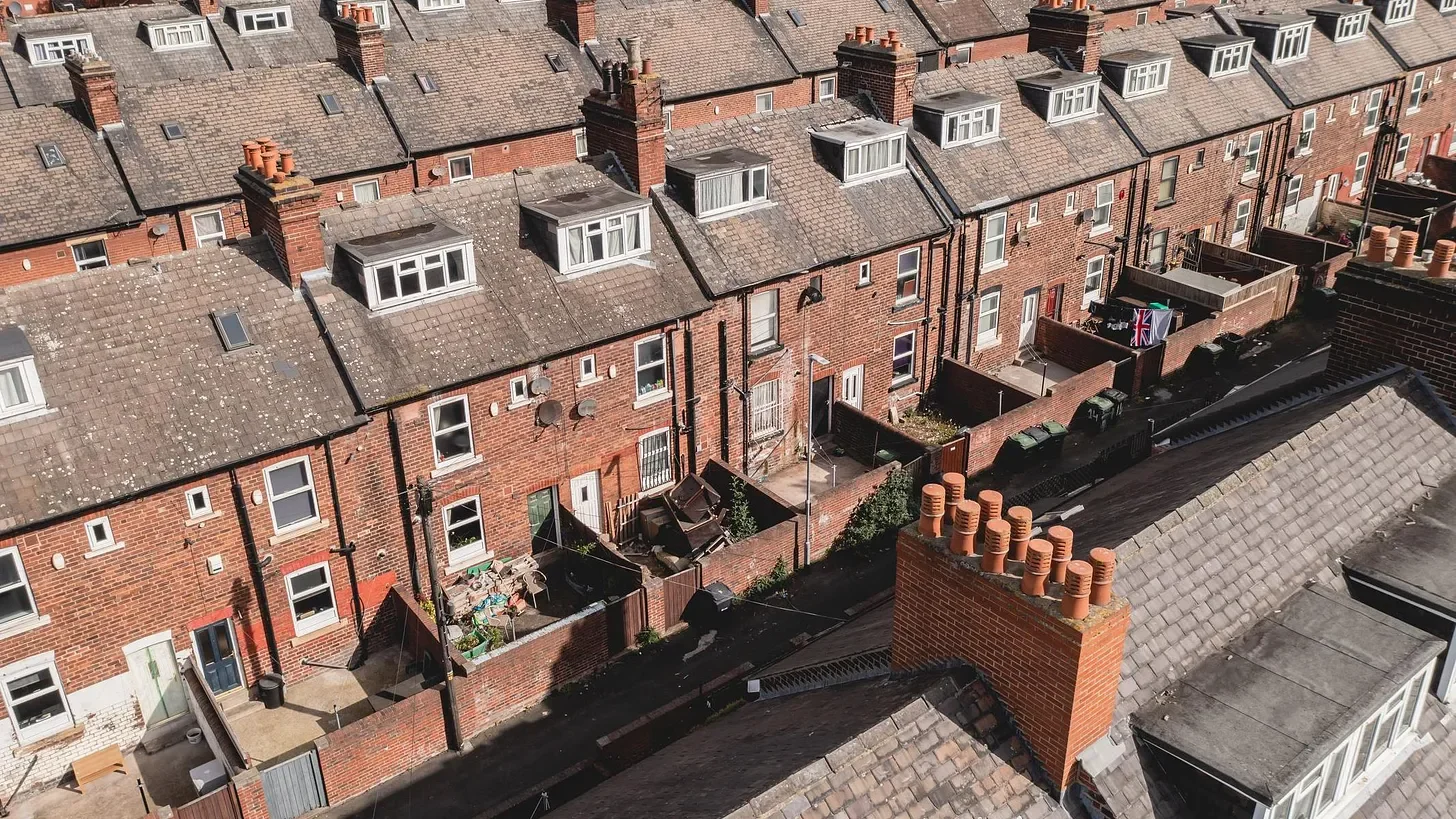
(Leeds, Back-to-Back Houses)
These cases reveal a conceptual misunderstanding. Older buildings were never designed to be dry in the modern, hermetic sense. They absorb moisture during wet periods and release it during dry ones. Their “health” depends on this cyclical transfer, whereby the problem arises not from these disrupted pathways. When breathability is obstructed, moisture accumulates, leading to fungal decay, salt crystallisation, and frost damage. The building’s natural ageing process becomes pathological. Understanding damp therefore begins with understanding how traditional materials are supposed to work. This forms the basis for diagnosing damp often as a failure of incompatible intervention.
Diagnosing Damp: Why Misunderstanding Moisture Leads to Misrepair
Accurate diagnosis is the most critical, and most frequently mishandled, stage of damp remediation in historic buildings. SPAB’s Technical and Research Director Douglas Kent emphasises how damp is often multi-causal, and superficial symptoms may mask deeper issues. Electrical Moisture Meters (EMMs), commonly used by surveyors, read conductivity rather than moisture content, and are easily confused by salts, metal, preservatives, and even soot (Kent, 2023). This has led to widespread false diagnoses of rising damp, despite its relative rarity. Whereby salt analysis provides more reliable evidence; nitrates and chlorides typically indicate ground-sourced moisture, while their absence suggests rainwater penetration or condensation (Oxley & Gobert, 1999). Similarly, psychrometric readings of relative humidity and dew point can differentiate between condensation and penetrating damp.
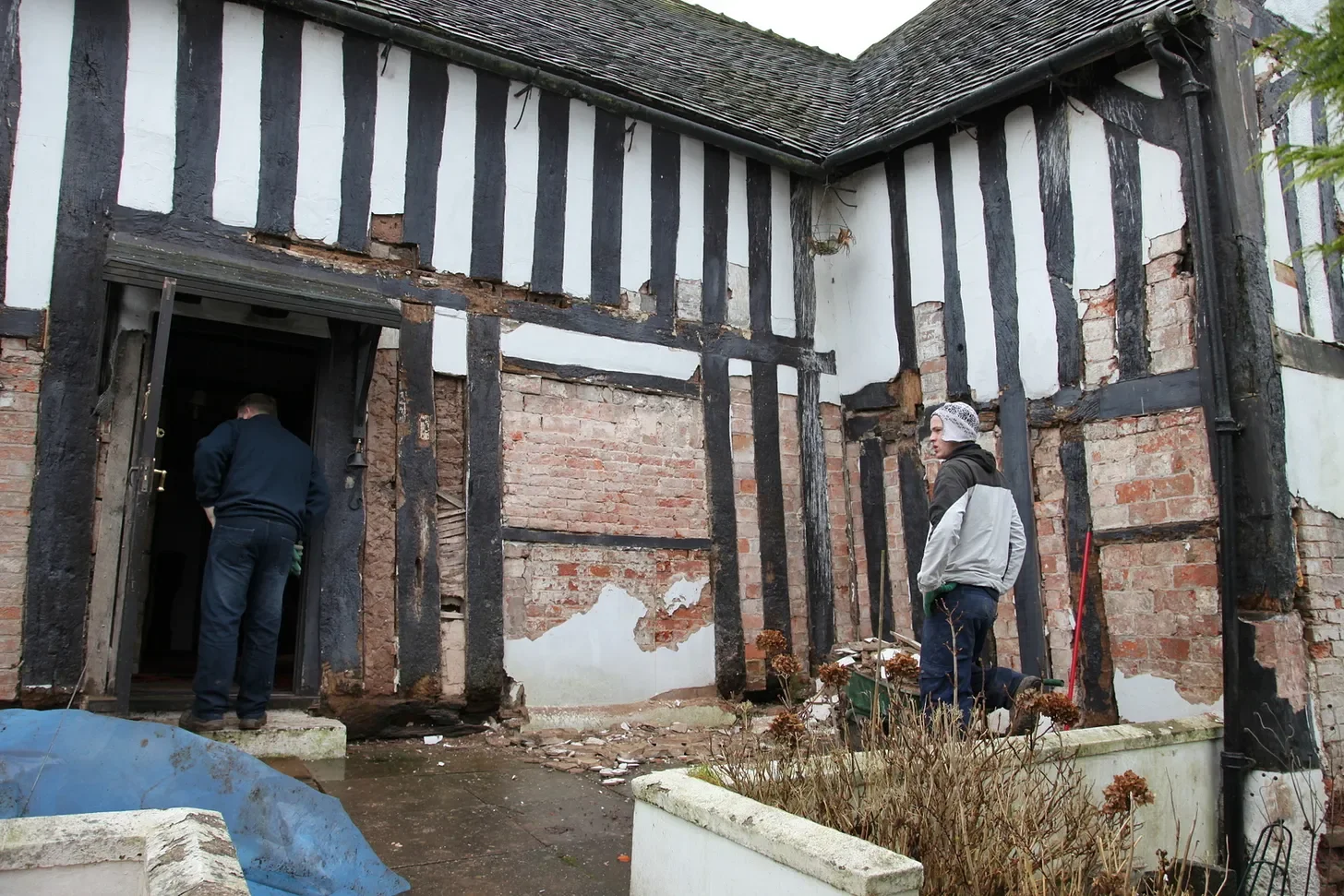
(Timber frame beam decay)
Misdiagnosis persists because damp assessments are often offered by companies that also sell treatments, leading to conflicts of interest. Injected chemical damp-proof courses are recommended even where no rising damp exists. The result is twofold: unnecessary expense for property owners, and irreversible damage to historic fabric through drilling, cement-based plasters, or impervious tanking. Therefore, diagnosis is not a preliminary step but an ethical one. Without it, the building’s material narrative is interrupted by invasive interventions that attempt to “fix” what was never broken.
Ageing as a System
Most damp issues in old buildings originate from rainwater penetration caused by failures in the building’s weathering system, notably roofs, gutters, and external joints. Historic England reports that defective rainwater goods are responsible for over half of moisture-related complaints in traditional buildings (Historic England, 2015). Blocked gutters, slipped slates, and failed flashings channel water down masonry surfaces, often misinterpreted internally as rising damp.
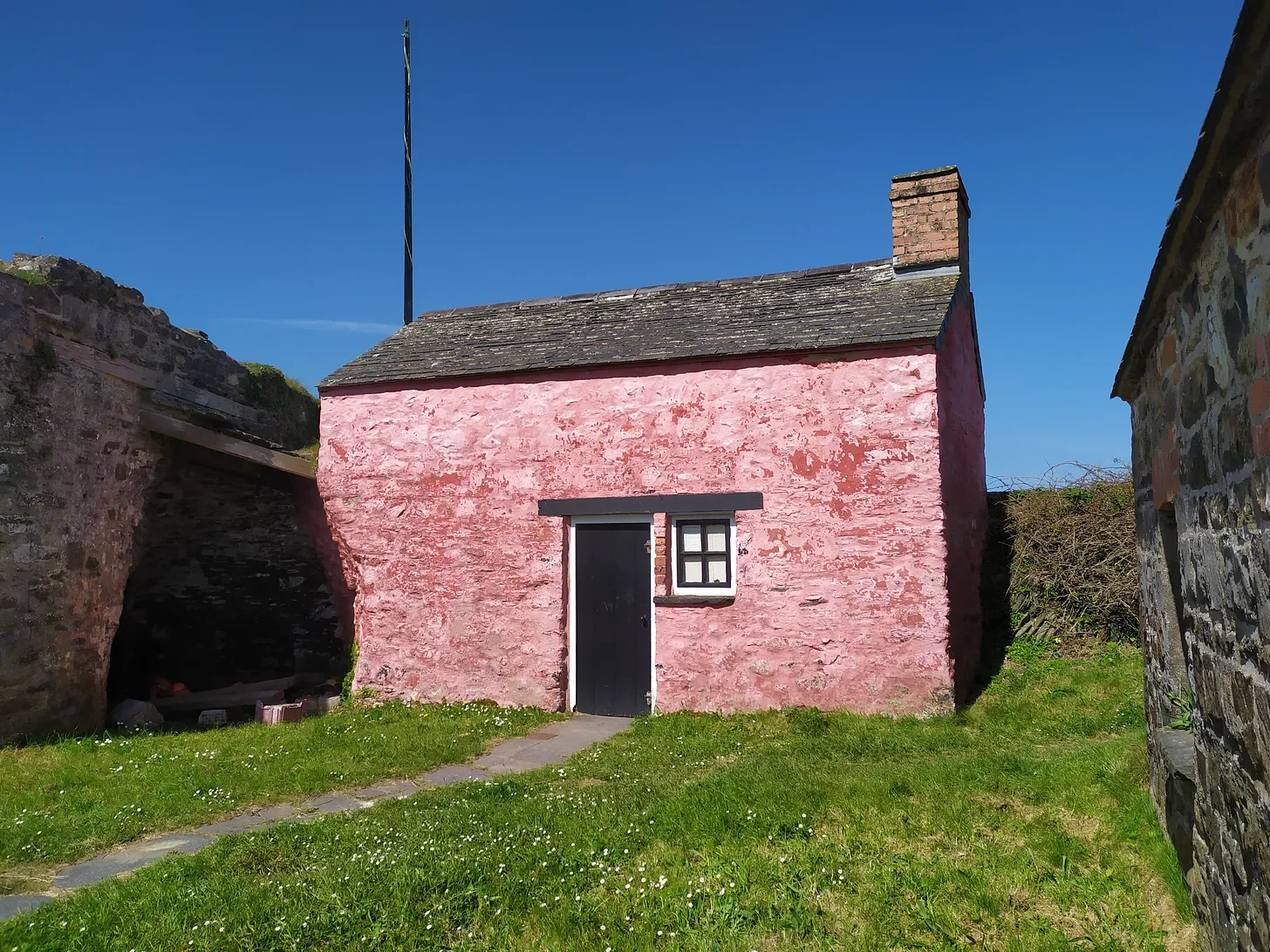
(Limewashed Welsh cottage, Historic England)
Kent (2023) notes that damp patches aligned with rain events, darkening of external walls during wet weather, and staining near chimneys are signatures of rainwater ingress long before ground moisture should be considered. Roof coverings, designed to be periodically replaced or repaired, form the first line of defence, yet maintenance cycles have lengthened dramatically since the early twentieth century, contributing to accelerated decay. These examples demonstrate that material decay is rarely isolated. A slipped tile can saturate an entire gable wall, leading to internal plaster failure, timber rot in joist ends, and rust jacking of embedded iron elements. The building decays as a system. Failure in one component cascades into others, a phenomenon central to understanding architectural ageing.
Recognising this interdependency shifts conservation practice from reactive patchwork to holistic maintenance strategies, where damp is a symptom of system imbalance rather than a defect in itself.
Ground Moisture, Rising Damp, and the Myths of Damp-Proofing
Rising damp exists but is far rarer than commonly claimed. Inappropriate chemical DPCs often cause far more harm than the moisture they are intended to solve. Studies by BRE (Building Research Establishment) confirm that capillary rise in historic masonry typically reaches limited heights unless exacerbated by impermeable materials which redirect evaporation (BRE, 2007). Many “rising damp” diagnoses are in fact rainwater penetration, defective drainage, or condensation misinterpreted.
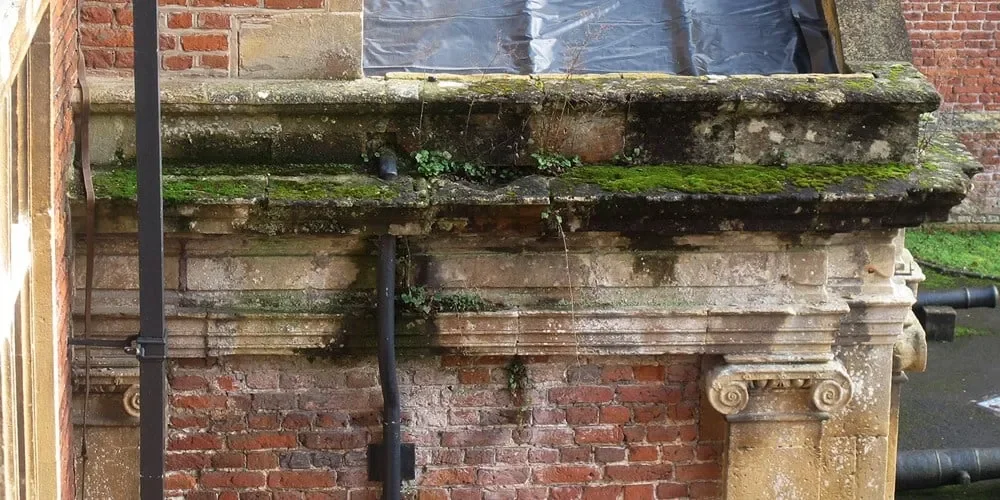
(Damp and Masonry Decay, Historic England)
Chemical damp-proof courses frequently fail to form continuous barriers and, more importantly, do not address the causes of moisture. Their installation requires drilling into historic brickwork, weakening fabric and often forcing moisture sideways or upwards when used with hard gypsum or cement plasters (SPAB, 2017). The modern expectation that walls should be perfectly dry eliminates the natural moisture gradients that older construction depends upon. In traditional buildings, evaporation should occur over the entire wall surface. Barriers disrupt this, causing the very dampness they purport to solve. Additionally, the language of “proofing” frames moisture as an invader rather than a natural environmental condition.
Therefore, rather than proofing against moisture, conservation requires understanding and restoring the building’s natural evaporative mechanisms, through breathability, ventilation, and material compatibility.
Condensation and the Contemporary Problem of Over-Sealing
Condensation is one of the most misunderstood forms of damp, exacerbated by modern energy-efficiency interventions that reduce ventilation in traditionally ventilated buildings.
Historic England warns that retrofitted double-glazing, sealed chimneys, and impermeable wall insulation can create high humidity environments where moisture condenses on cold surfaces (Historic England, 2016). Traditional buildings relied on air movement through permeable walls and loosely fitting windows. By removing this system without compensation encourages mould, timber decay, and interstitial condensation. Kent (2023) notes that condensation is most common in bathrooms, kitchens, and bedrooms, rooms that generate moisture but have diminished ventilation pathways. High relative humidity (over 75%) sustained over time can lead to fungal outbreaks and deterioration of building materials.
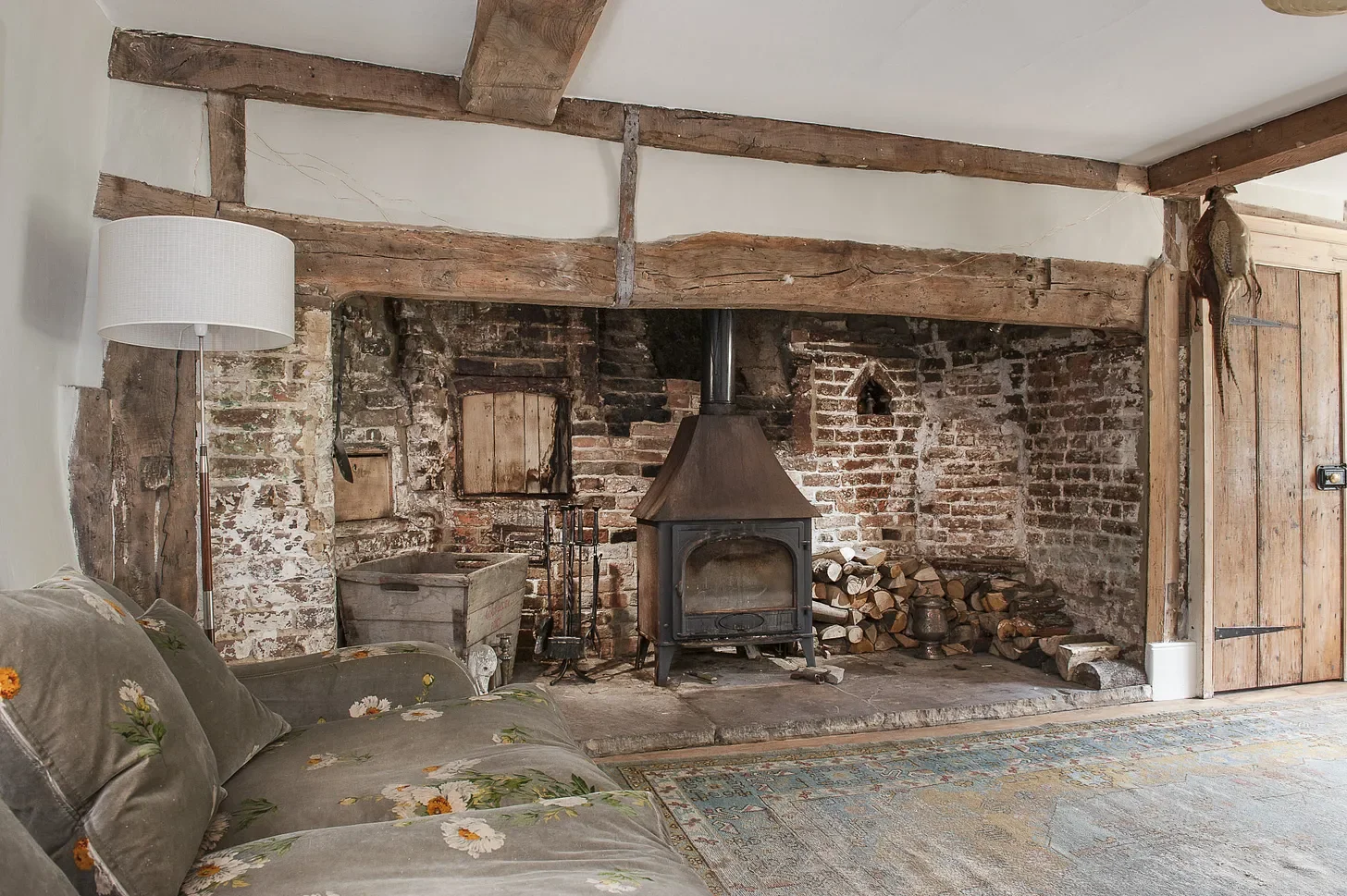
(Lidham Hill Farmhouse Near Rye, Fireplace)
Condensation is a contemporary problem superimposed onto historic fabric by modern lifestyle and building expectations. Traditional buildings were never sealed boxes, rather they were dynamic and breathable environments. Attempting to retrofit them into airtight standards designed for modern construction misunderstands their performance logic. Energy efficiency is crucial, but without moisture-aware design, interventions can do more harm than good. This exposes the central tension in the lifecycle of historic buildings, how balancing modern comfort and sustainability with the realities of older material ecologies.
Timber Decay, Salts, and Structural Consequences of Moisture
Damp does not remain static; it creates secondary forms of decay, through timber rot, salt crystallisation, and structural movement. that shape how buildings age. Fungal decay in timber requires elevated moisture levels, even so-called “dry rot” (Serpula lacrymans) needs significant damp to establish itself (Ridout, 2000). Poor ventilation beneath suspended timber floors and blocked air bricks are frequent culprits in older buildings. Salt crystallisation, especially nitrates and chlorides associated with ground moisture, disrupts plaster, masonry, and decorative finishes as they absorb atmospheric humidity and cycle between crystalline states (Oxley & Gobert, 1999).
Timber, plaster, stone, and metal decay through shared environmental conditions and especially moisture. Damp sets in motion a chain of failure, a decaying joist end may shift load paths, introduce structural movement, or weaken floor integrity. Understanding damp therefore requires understanding that materials age relationally, not in isolation. This reinforces and demonstrates how moisture is not a defect but part of the living metabolism of traditional buildings.
Maintenance as Conservation Through Time, Care, and the Ethic of Attention
Regular maintenance is the most effective tool for controlling damp and slowing decay, yet modern culture undervalues it in favour of dramatic interventions. SPAB’s annual “Maintenance Week” emphasises that twice-yearly inspections (ideally in late winter and late summer) can prevent the majority of damp-related deterioration (SPAB, 2022). Clearing gutters, checking flashings, repointing lime joints, and maintaining ventilation prove more effective than costly technological fixes.
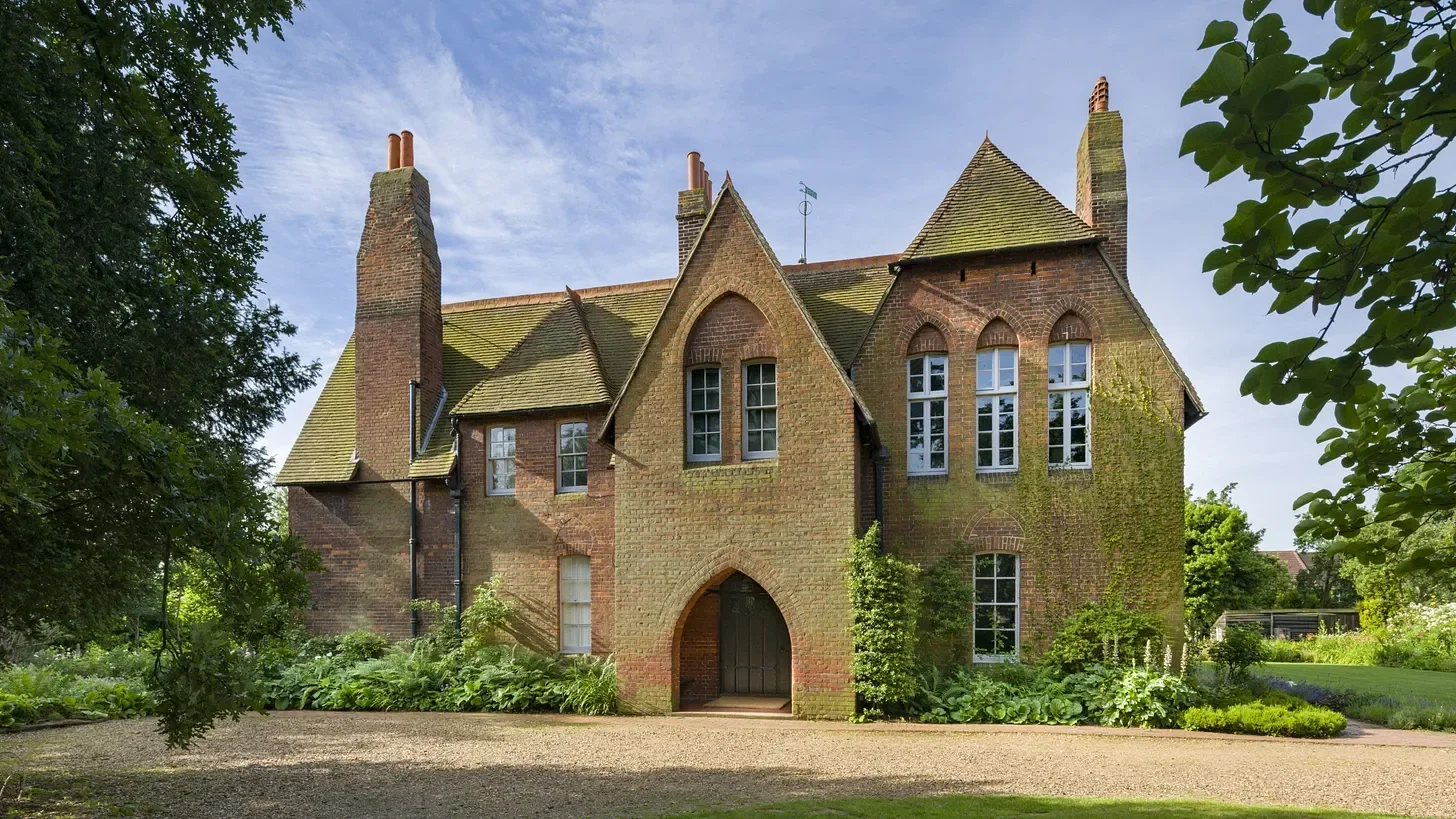
(Red House, William Morris)
Conservation theorists, from William Morris to Feilden, stress that maintenance is a moral responsibility, as a form of stewardship rooted in respect for the building’s life (Feilden, 2003). Maintenance aligns architecture with this ecological thinking. Just as ecosystems require ongoing equilibrium, historic buildings require continuous calibration. In this sense, the building becomes a living system materially, whereby its wellbeing contingent on cycles of attention. Recognising this shifts the narrative from “fixing damp” to understanding ageing as a process that can be guided, not reversed.
Conclusion & The Living Building as an Ethics of Time
Traditional buildings are shaped by moisture, breathability, and slow degradation. Damp is therefore part of the building’s metabolic process. When misunderstood, it becomes damaging, although when read correctly, it reveals how the building lives. The central task of conservation is therefore interpretative: to diagnose with care, intervene with restraint, and maintain with attentiveness.
To treat an old building as a sealed modern structure is to misunderstand its entire nature. To treat decay as failure is to misunderstand its lifespan. In the end, conservation requires accepting that old buildings breathe, absorb, dry, shift, and age. They are not static artefacts but dynamic systems. Their survival depends not on eliminating damp but on understanding its place within the architectural ecology of time.
References
Ashurst, J. and Ashurst, N. (1988) Practical Building Conservation: Vol. 1 – Mortars, Plasters and Renders. Gower Technical Press
BRE (2007) Digest 245: Rising Damp in Walls. Building Research Establishment
English Heritage (2014) The Use of Lime Mortars in Historic Buildings. London: English Heritage
Feilden, B. (2003) Conservation of Historic Buildings. 3rd edn. Oxford: Architectural Press
Historic England (2015) Damp in Old Buildings. London: Historic England
Historic England (2016) Energy Efficiency and Historic Buildings: How to Improve Energy Efficiency. London: Historic England
Kent, D. (2023) Dealing with Damp in Old Buildings. SPAB Lecture Video
Oxley, T. and Gobert, E. (1999) Dampness in Buildings. Oxford: Blackwell Science
Ridout, B. (2000) Timber Decay in Buildings: The Conservation Approach to Treatment. London: E & FN Spon
SPAB (2017) Technical Advice Note: The Breathability of Old Buildings. Society for the Protection of Ancient Buildings
SPAB (2022) Maintenance Week Guidance. Society for the Protection of Ancient Buildings
Which? (2017) Surveyors and Damp: Consumer Investigation. Which? Magazine